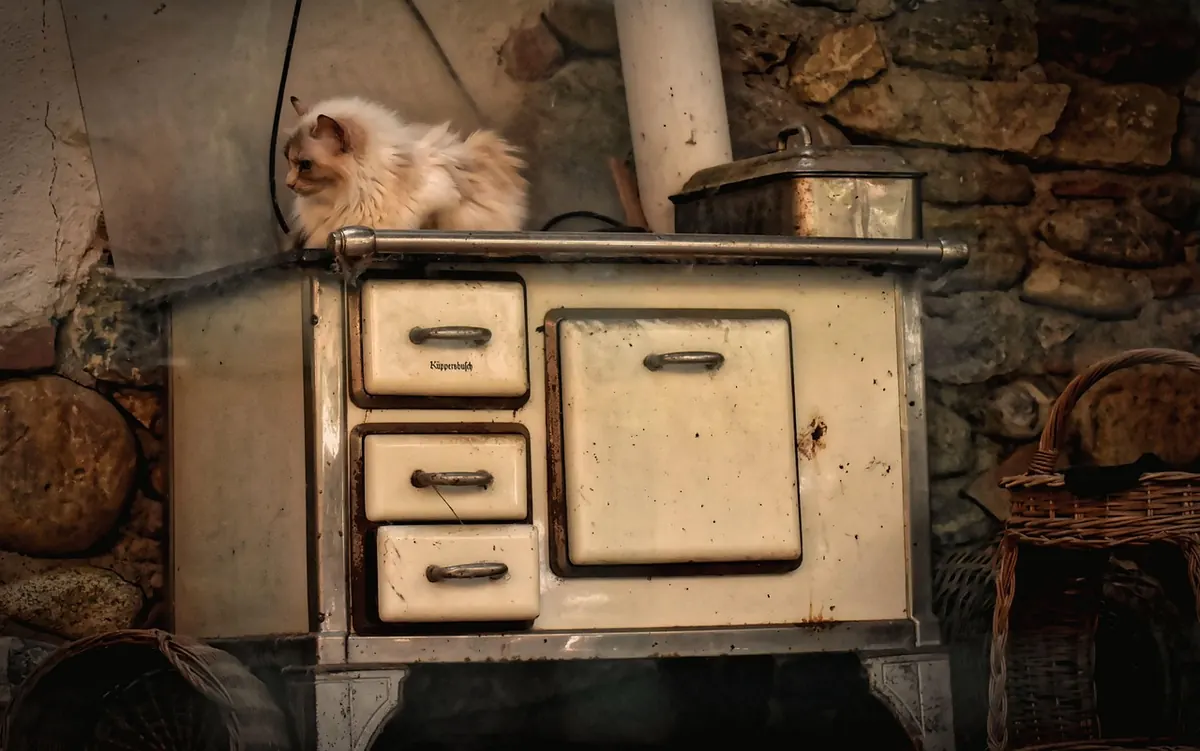
A wood stove is one of the most pleasant ways to heat a house — real flame, real warmth, and a stack of dry oak in the corner. It is also a combustion appliance, and every combustion appliance makes carbon monoxide. Usually that gas goes up the chimney and never enters the room. The trouble starts when the draft reverses, the fire smolders, or the flue is blocked. Carbon monoxide has no color and no smell, so it gives you no warning at all. Alarms and a few good habits are what stand between a cozy evening and a serious emergency.
How a Wood Stove Actually Produces Carbon Monoxide
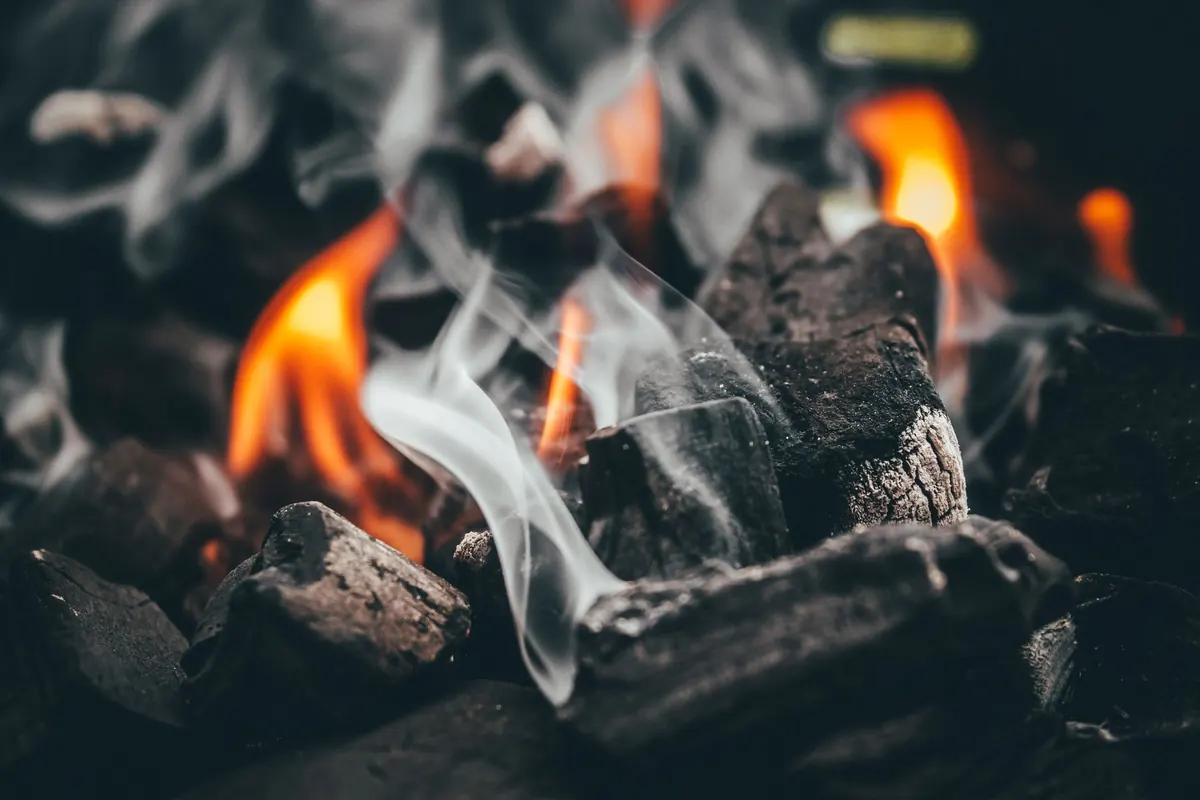
Carbon monoxide forms when fuel burns without enough oxygen. In a healthy fire, wood gases ignite in the firebox and the hot exhaust rises steadily up the flue and out of the house. In a struggling fire, those gases never fully burn, and CO becomes part of the exhaust.
The usual culprits are predictable:
- Smoldering fires. Shutting the air control all the way down to make the load last overnight creates exactly the low-oxygen conditions that produce the most CO.
- Wet or unseasoned wood. Energy goes into boiling off water instead of burning cleanly, and the firebox stays cool.
- A cold or blocked chimney. A flue that never warms up, a nest at the cap, or a heavy creosote layer can slow or stop the upward draft.
- Pressure problems. Bathroom and kitchen fans, dryers, and other appliances pulling air out of a tight house can overpower a chimney and pull exhaust back down into the room.
Fireplaces deserve the same respect. An open fireplace with a cold flue can spill smoke — and CO — into the room before the draft establishes itself, and a fire left smoldering in the grate does the same.
Where Carbon Monoxide Alarms Belong
Install alarms according to the manufacturer's instructions and your local building code; where the two differ, the code wins. As a practical baseline for a home with a wood heater:
- Outside every sleeping area. If you can close a bedroom door, you want an alarm in the hallway that reaches it.
- On every level of the home, including a finished basement and any attic space someone uses.
- Inside bedrooms if anyone sleeps with the door closed or if someone in the household has heart or lung conditions, is pregnant, or is very young or elderly.
- Near, but not on top of, the wood stove. Keep enough distance that normal startup smoke and trace CO from lighting a fire don't set off nuisance alarms. The manual will state a minimum clearance.
Mount them where you can hear them. A unit beeping in an unfinished crawl space does nothing at 3 a.m. Avoid dead air spots like the corner of a ceiling, and keep alarms away from humid bathrooms and dusty workshops unless the model is rated for it.
Carbon monoxide alarms are not smoke alarms, and a smoke alarm will not detect CO. Combination units are convenient and widely available, but they still need to be placed with CO in mind, not just fire.
Choose and Maintain the Right Unit
Look for an alarm listed to a recognized CO standard, and battery-only units are acceptable where codes allow. Most models have a sensor life printed on the device — often five to seven years — and they will chirp when it expires. Put a date on the back with a marker. Test monthly, replace batteries at least annually on models that take them, and vacuum the vents so dust doesn't block the sensor.
Warning Signs You Should Never Shrug Off
Your body is a poor CO detector, but it does give clues. Early symptoms often feel like a bad flu that comes on fast: a dull headache, dizziness, nausea, fatigue, and shortness of breath. As exposure continues, symptoms get worse — confusion, weakness, chest pain, and loss of consciousness. Children, older adults, and anyone with heart or lung disease may feel effects sooner.
A few patterns are worth remembering. If headaches fade when you go outside and return when you come home, treat that as a serious signal. If several people in the house feel unwell at the same time, or a pet seems suddenly lethargic, get out and call for help rather than waiting to see if it passes.
The stove itself also gives warnings:
- Smoke rolling out of the stove or fireplace when you open the door or add wood
- A lazy, smoldering fire that won't build no matter how you adjust the air
- Dark soot streaks around the flue collar, door gasket, or chimney cap
- A strong creosote or smoky smell in the room, hours after the fire was lit
- Damp, foggy windows in the same room as an appliance that's running
Any of these means the appliance isn't venting the way it should. Stop using it until a qualified chimney professional has inspected it. If anyone has symptoms, treat it as an exposure, not a maintenance issue — and speak with a doctor about lingering effects.
When to Evacuate, and What to Do Next
If a CO alarm sounds — or anyone has symptoms — don't investigate first. Get everyone outside, including pets, and then work from a safe distance.
- Get out immediately. Don't stop to open windows, pack, or shut down the stove. Breathing clean air matters more than saving a fire.
- Call emergency services from outside. In the US, that means 911; elsewhere, use your local emergency number. Tell them a CO alarm is sounding and whether anyone has symptoms.
- Do not re-enter until firefighters or utility technicians tell you the building is safe. CO can linger, and the source may still be running.
- Get medical attention for anyone with headache, nausea, dizziness, or confusion, even if they feel better outdoors. Symptoms can return or worsen.
- Find and fix the source before lighting another fire — a chimney inspection, a flue repair, or a change to how the stove is operated.
If the alarm chirps once and goes quiet, or chirps at the same time each day, that's usually a low-battery or end-of-life signal rather than a real detection. Check the manual, replace what it asks for, and don't silence a real alarm to get back to sleep.
Habits That Keep the Chimney Working
Prevention is mostly about keeping the fire hot, the wood dry, and the flue clear. Burn seasoned wood that has dried for at least a year, split and stacked with air moving through it. Don't shut the air control down to a slow smolder for hours on end — a fire that's smoldering is a fire making CO. Keep a small, bright fire rather than a packed, suffocated one, and leave the flue open until the coals are down to ash.
Never burn trash, gift wrap, or pressure-treated or painted lumber in a wood stove. Have the chimney swept and inspected annually, and more often if you burn a lot. Check the cap for nests and debris, look at gaskets and door seals, and make sure the stovepipe joints are tight. If a remodel has made the house tighter, or you've added a powerful range hood or bath fan, ask a professional whether the chimney still drafts properly under those conditions.
A Simple Monthly Routine
Press the test button on every CO alarm in the house. Look at the expiration date stamped on each unit. Glance at the stovepipe and chimney cap for soot or blockage. Listen for smoke smell when you open the stove door, and watch the fire for a minute after you load it — it should catch and burn bright, not sit there smoking. Write down anything odd so you can describe it to your chimney sweep.
None of this takes long, and it turns a silent hazard into something you can actually see coming. Warmth is the point of a wood stove; safety is what lets you enjoy it season after season.
Photo: Kanenori / Pixabay