Two stoves, one fuel family, very different personalities. A cord wood stove wants a dry woodpile, a splitting maul, and someone who doesn't mind tending a fire. A pellet stove wants a bag of compressed sawdust, a wall outlet, and a vacuum cleaner. Both can cut a propane or electric bill down to size, and both will heat a cold room on the worst night of January. The useful question isn't which one is better. It's which set of chores, costs, and quirks fits your house and your schedule.
How Each Stove Turns Fuel Into Heat
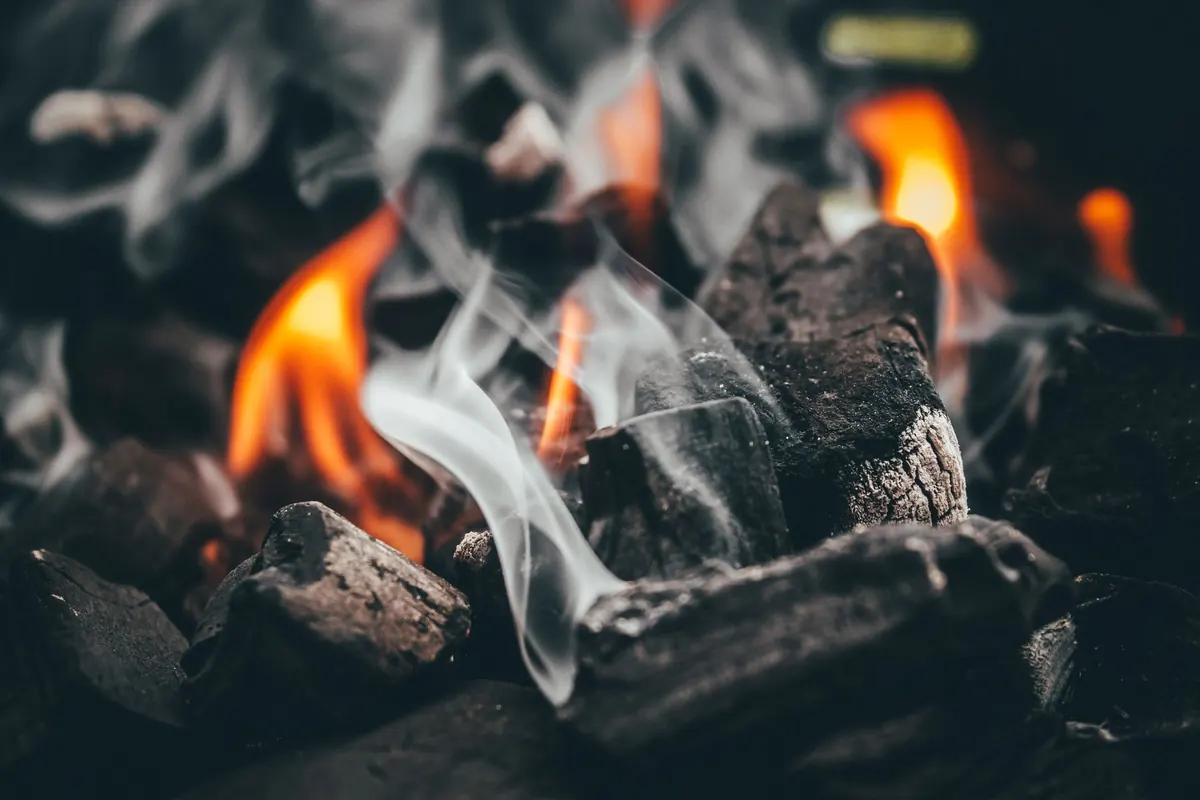
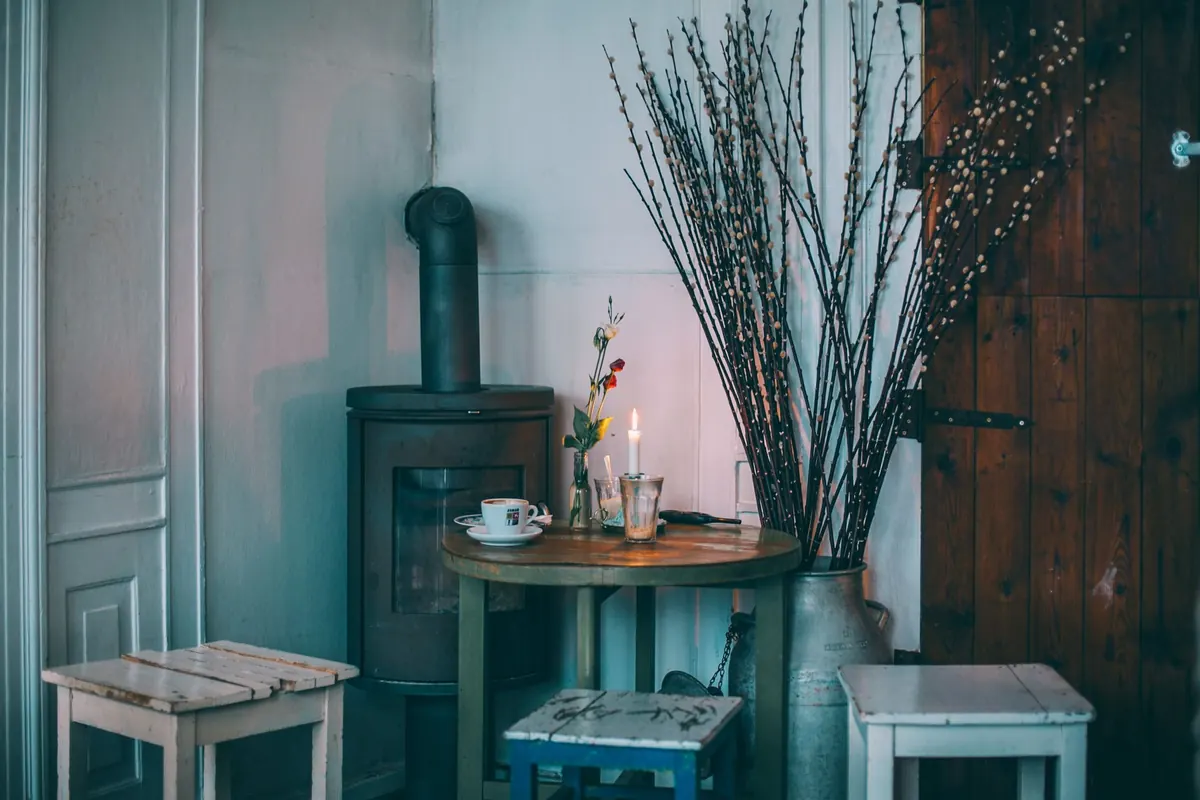
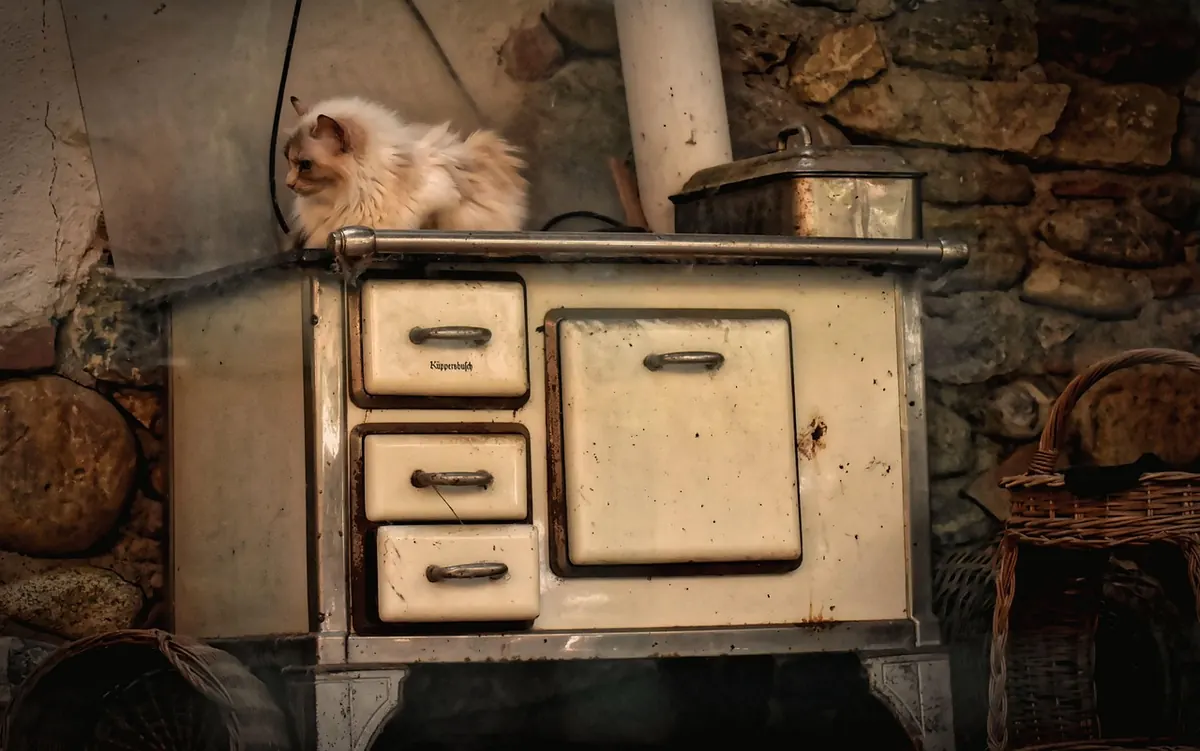
A cord wood stove burns split logs on a bed of ash and firebrick. You load it, light it, set the air control, and the fire burns down over a few hours into coals. Heat leaves the stove body and the pipe mostly as radiant heat, the kind you feel on your face from across the room. A well-built steel or cast iron stove can push a lot of that heat fast, which is why a wood stove can take the chill off a shop or a great room in twenty minutes.
A pellet stove works more like a small furnace. An auger lifts pellets from a hopper into a burn pot, a fan blows air through the fire, and a second fan pushes warm air into the room. Because the feed rate is metered, the fire stays small, hot, and consistent. Set a thermostat and the stove feeds itself up or down to hold the temperature. That steady, hands-off behavior is the single biggest difference between the two.
Fuel Cost: Two Different Budgets
Cord wood is usually the cheaper fuel per unit of usable heat, if you buy it right. Split, seasoned hardwood from a local supplier beats anything bagged at a hardware store. Pellets typically cost more per unit of heat than a reasonably priced cord of hardwood but less than kiln-dried bundles sold for campfires. Both swing widely with region and season, so get real numbers before you commit: call two or three firewood dealers and two pellet suppliers, and ask about delivery minimums, moisture content, and whether prices hold through winter.
Two hidden costs deserve attention. Wood needs to be genuinely dry. Unseasoned wood wastes heat boiling off water and coats your flue with creosote, which is a chimney fire waiting to happen. Pellets need to stay dry too, or they swell, crumble, and jam the auger. Buy pellets by the ton and store them off a concrete floor, or the bottom bags will pull moisture all winter.
Efficiency matters as much as the sticker price. Modern EPA-certified wood stoves and pellet stoves both burn far cleaner than the smoky stoves of decades past, but a pellet stove generally squeezes more usable heat out of its fuel because combustion is controlled and the exhaust is cool by the time it leaves. A leaky old wood stove with a bad gasket can burn through a cord doing very little for you.
Storage, Space, and Handling
This is where the two stoves feel most different in daily life. Wood takes room. A full cord is a stack roughly four feet high, four feet deep, and eight feet long, and most serious wood burners keep two or three seasons on hand so the wood has time to dry. Pellets stack neatly on pallets and take far less floor space for the same heat, but they need a genuinely dry spot, not a damp corner of a garage.
- Cord wood: covered but well-ventilated stack, off the ground on pallets or rails, split at least six months ahead, ideally a year.
- Pellets: a ton is fifty forty-pound bags on one pallet; keep them indoors or under a dry roof, and never let them sit on bare concrete.
- Daily handling: wood means hauling, stacking, and loading several times a day; pellets mean carrying one bag, pouring it into the hopper, and walking away.
Electricity, Noise, and Power Outages
A pellet stove needs electricity. The auger, the two fans, and the control board all draw power, and most units use a modest amount, well under what a space heater pulls. The catch is what happens when the power goes out. The fire doesn't stop instantly, but the exhaust fan does, and smoke can spill into the room. If outages are common where you live, plan for a battery backup, an uninterruptible power supply sized for the stove, or a small generator.
A cord wood stove needs no electricity at all. That independence is a real advantage in rural areas and after ice storms. The trade-off is noise: pellet stoves hum, and some people find the distribution fan annoying in a living room. Wood stoves are silent apart from the crackle.
Maintenance: What Your Weekends Look Like
Wood stoves ask for less fiddling but more hazard management. Empty the ash pan, keep the glass reasonably clean, check door and glass gaskets, and have the chimney swept regularly, at least once a year and more often if you burn a lot or burn marginal wood. Creosote is the thing to watch, and chimney fires are the reason sweeps exist.
Pellet stoves ask for more routine attention to more parts. Scrape the burn pot daily, empty the ash pan, vacuum the firebox weekly during heating season, and do a thorough cleaning of the exhaust passages and venting each year. Beyond that, pellet stoves have components that wear out: igniters, auger motors, blower fans, vacuum switches, and door gaskets. None are exotic, but they add up. Cord wood stoves have almost nothing to fail.
Heat Output and Comfort
A wood stove delivers heat in waves. A full load on a cold night puts out a lot of radiant warmth for a few hours, then settles into coals that keep throwing heat for a few more. That intensity is wonderful in a drafty room and awkward in a tight, well-insulated house, where it's easy to overheat the space in October and April. Learning to build small, hot fires instead of smoldering ones solves most of that problem and keeps the flue cleaner.
Pellet stoves are better at even, thermostat-driven comfort. They hold a temperature overnight and through shoulder seasons, and because they move air rather than mostly radiate, they warm a whole floor more evenly if the layout cooperates. What they lack is that deep, direct radiant glow. Sit three feet from a wood stove and you'll feel something a pellet stove can't imitate.
Which One Fits Your House?
Choose cord wood if you have space for a woodpile, a source of reasonably priced seasoned hardwood, some tolerance for hauling and splitting, and a room that benefits from strong radiant heat. Choose pellets if you want thermostat control, less physical work, tidy storage, and you're comfortable with weekly cleaning and a few electrical parts.
Whichever way you lean, size the stove to the space rather than to your worst-case memory of a cold snap; an oversized stove idles and smolders, and that's how chimneys get dirty. Have the installation done to local code, confirm what your homeowner's insurance expects, and read the manual before the first cold night rather than during it. Do that, and either stove will earn its place in the corner.
Photo: Alexas_Fotos / Pixabay